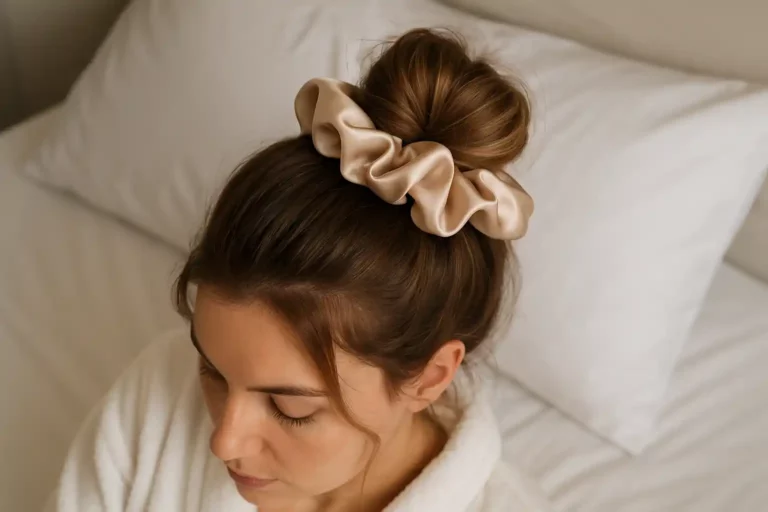
My Favorite Overnight Hair Treatments that Don’t Ruin Your Pillow
You want gorgeous hair but hate waking up to gunk on your pillowcase, right? Me too. I got you. As a stylist, I have seen it all and dealt with more stained sheets than I like to admit. You deserve beautiful hair without the morning clean-up.
Why Overnight Treatments Are The Best (For Your Hair, Not Your Bed)
Listen, your hair does a lot for you. It puts up with heat, color, and all those bad hair days you try to ignore. Giving it some love while you sleep just makes sense. Most of us, we don’t have an hour to sit around with a hair mask on during the day. Overnight is the perfect time for deep conditioning and repair.
The Pillow Problem is Real
Nobody wants to sleep on a greasy pillow. You put on a hair treatment, and then it transfers. All that good product, it ends up on your bedding instead of in your strands. Plus, some of those treatments can feel sticky or heavy, making sleep uncomfortable. I have tried so many myself, it is quite literally a mess.
The Benefits You Are Missing
Overnight treatments offer intense conditioning. Your hair absorbs the nutrients slow and steady. This long exposure means better penetration of the active ingredients. Think of it like a slow-cooker for your hair, all that goodness simmering in.
My Top Picks for Pillow-Friendly Hair Hydration
I have personally tested dozens of products. My clients ask me about this all the time. I learned what actually works and what just makes a mess. These are my absolute favorites.
Lightweight Leave-In Conditioners
You think leave-ins are only for daytime? Wrong. A good, lightweight leave-in conditioner can work wonders overnight. The trick is finding one that truly absorbs without residue.
- How I Use Them: I apply a dime-sized amount to damp hair, focusing on the mid-lengths and ends. My hair, it is quite thick, so I usually need a bit more. I comb it through gently with a wide-tooth comb.
- What To Look For: Seek out products with words like “light,” “weightless,” or “fast-absorbing” on the label. Ingredients like hyaluronic acid or aloe vera are good signs.
I remember this one time, a client, she called me in a panic. She used what she thought was a leave-in but it was basically hair glue by morning. She had to wash her hair twice to get it out. Avoid that drama. Read the labels carefully.
Scalp Serums for Overnight Growth
Yes, you can treat your scalp while you sleep without greasing up your sheets. A healthy scalp equals healthy hair, after all. These products are usually very liquidy and absorb quickly into the skin.
- Application Tip: Apply drops directly to your scalp, then massage gently with your fingertips. Do this before bed. Your body produces less oil during sleep, so the serum can work undisturbed.
- Key Ingredients: Look for caffeine, biotin, or peppermint oil. These stimulate blood flow and nourish the hair follicles.
Silk Scarves and Bonnets: Your Pillow’s Best Friend
This is not a product you apply, but it is a game-changer. I tell all my clients about this. A silk scarf or bonnet creates a barrier. It protects your pillow and also your hair from friction. Cotton pillowcases can actually cause frizz and breakage.
| Material | Pros | Cons |
|---|---|---|
| Cotton Pillowcase | Common, breathable. | Increases friction, absorbs product, causes frizz. |
| Silk Pillowcase/Bonnet | Reduces friction, retains moisture, protects style. | Can be an investment, needs gentle washing. |
I have slept with one for years now. My hair stylist friends, they all do too. It sounds fancy, but it makes a massive difference in hair health and how your morning hair looks. No more flat spots.
DIY Overnight Hair Masks (That Do Not Make a Mess)
You do not always need fancy bottles. Sometimes, the best treatments are in your kitchen. These DIY options are surprisingly effective and easy to contain.
Aloe Vera Gel for Hydration and Shine
Pure aloe vera gel, the kind without added colors or fragrances, is a fantastic overnight treatment. It is light, absorbs well, and is super hydrating. Plus, it is not sticky like you might think.
- Get a pure aloe vera gel. Make sure it is not the kind for sunburn with alcohol.
- Apply a small amount to your damp hair. Focus on the ends; they usually need the most love.
- Comb it through. It provides a little hold and lots of shine.
Once, I had a client with very fine hair. She was worried about anything weighing it down. I suggested aloe vera. She came back raving about how soft and shiny her hair felt, and her pillow was spotless.
Argan Oil: Just a Teeny Bit
Argan oil is liquid gold for hair. However, it is potent. Using too much will absolutely ruin your pillow. The key here is moderation. We are talking truly tiny amounts.
- How I Use It: I put one or two drops in my palm. Then I rub my hands together. I lightly scrunch it into my dry ends before bed. It adds incredible softness and reduces frizz.
- Why It Works: It is rich in vitamins and antioxidants. It penetrates the hair shaft without sitting on top, but it is also too heavy to cover your entire head.
I learned this lesson the hard way myself. My first time, I poured a generous amount. My pillow looked like I slept on a frying pan. Do not do that. Smaller is always better with oils.
Tips and Tricks for a Pillow-Proof Routine
It is not just about the product; it is how you use it. Some simple habits can make all the difference for your overnight hair care.
Apply to Damp, Not Soaking Wet, Hair
When your hair is too wet, the product just sits on it. It evaporates off or, worse, transfers to your pillow. Gently towel-dry your hair until it is just damp. This helps the product absorb properly.
Use Less Than You Think You Need
Most people use too much product. Start with a tiny amount. You can always add more next time if your hair still feels dry. It is easier to add than to remove.
Braid or Bun Your Hair Loosely
Putting your hair into a loose braid or a soft bun on top of your head can help. It keeps the product contained. It also prevents tangles and can even give you heatless waves in the morning. Just do not make it too tight; that can cause breakage.
Wash Your Pillowcases Regularly
Even with the best products and techniques, some transfer might happen over time. Regular washing of your pillowcases is just good hygiene anyway. It keeps your skin clear too. I recommend every few days.
Common Mistakes People Make
We all make mistakes, especially when trying new hair routines. I have seen these countless times.
Using Products Not Designed for Overnight Use
Some masks are just too thick. They are meant for a 20-minute application and then a rinse. Trying to sleep in them is a recipe for disaster. Read the instructions. If it says “rinse thoroughly,” then rinse thoroughly.
Not Protecting Your Hair
Skipping the silk scarf or bonnet is a major oversight. It is like doing all the cooking and then forgetting to eat. Your hair needs that final layer of protection to maximize the treatment’s benefits and keep your pillow spotless.
Over-Application of Product
This goes back to my Argan Oil story. More is not always better. Sometimes, more truly is just more mess. Your hair can only absorb so much. Anything extra just sits there.
I once worked with a client who used a whole palm full of argan oil every night. Her hair felt like straw. I told her to reduce it to literally two drops. A week later, her hair transformed. Less truly was more for her.
Frequently Asked Questions
Can I use my regular conditioner as an overnight treatment?
No, generally you should not. Regular conditioners are formulated to be rinsed out after a few minutes. Leaving them on overnight can weigh down your hair, make it greasy, or even lead to product buildup.
How often should I do an overnight hair treatment?
The frequency depends on your hair type and its needs. For most people, once or twice a week is sufficient. If your hair is very dry or damaged, you might do it every other night initially, then reduce as your hair improves.
Will overnight treatments make my hair greasy?
If you use the right products and apply them correctly, they should not make your hair greasy. The key is to choose lightweight, fast-absorbing formulas and use them sparingly. Less is definitely more when it comes to overnight treatments.