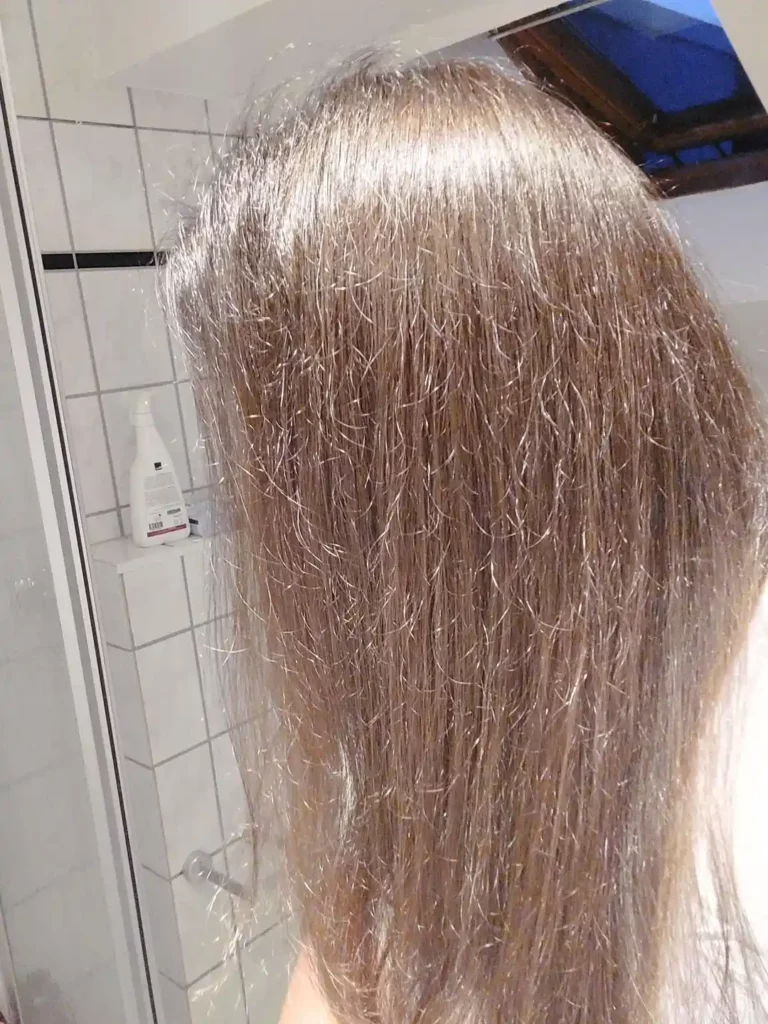
What to Do With Wet Hair to Prevent Damage and Frizz (Before It’s Too Late)
So, you just washed your hair. Great! But now you have this dripping, sometimes unruly, mess on your head. What should you do with it? Many people just wonder, “Now what?” I am here to tell you how you can manage that wet mane.
The Immediate Aftermath: Gentle Handling Is Key
You just finished shampooing and conditioning. Your hair is clean, but it is also fragile when it is wet. I think this is a point many people miss. They get out of the shower and just go to town with a towel, but you really should not!
Towel Drying: The Big No-No and What to Do Instead

Rubbing your hair vigorously with a regular towel is like asking for trouble. Many people do not realize this, but those fluffy bath towels, they are too rough. They create friction and rough up your hair’s cuticle, which leads to frizz and breakage. I stopped doing it years ago after seeing my hair just look fried all the time.
What I started doing, and it made such a difference, was swapping my regular towel for a microfiber one. If you do not have a microfiber towel, an old cotton t-shirt also works wonders.
Here is what I like to do:
- Gently squeeze excess water from your hair with your hands.
- Wrap your hair in a microfiber towel or a t-shirt. Do not twist it into a turban like you see in movies if you have long hair. Just wrap it.
- Let it sit for a few minutes. The fabric absorbs the water without rubbing.
This simple change helps so much with how your hair feels and looks afterward.
Detangling Properly: Avoiding the Nightmare Knots
Wet hair, as I said, is super delicate. Trying to rip a brush through it is a recipe for disaster. You will pull out so much hair, and it hurts! I learned this the hard way more times than I care to admit.
What I suggest, and what has worked for countless people I know, is to use a wide-tooth comb. You want something that glides through instead of tugs.
Here are my thoughts on detangling:
- Always start from the ends of your hair and work your way up to the roots. This way, you undo smaller tangles first and avoid pushing all the knots together.
- You might want to apply a leave-in conditioner or a detangling spray before you start. This provides slip and makes the process a lot easier.
- Be patient. Seriously, rushing this step just leads to breakage and frustration.
This gentle approach keeps your hair strands intact and minimizes damage.
Drying Methods: Beyond the Blast of Heat
Most people just head straight for the blow dryer, cranking it up to the highest heat setting. I get it; you want your hair dry fast. But that massive blast of hot air can really do a number on your hair over time. It makes your hair dry and brittle.
Air Drying: The Low-Maintenance Champion
Air drying is, in my opinion, the healthiest option for your hair. It does not involve any heat, so you avoid all that potential damage. My hair feels much softer and healthier when I let it air dry. The only downside is it takes time, and sometimes, you just do not have that luxury.
If you choose to air dry, here are a few things I have found helpful to keep in mind:
- After gently towel-drying, apply any styling products you like – maybe a curl cream if you have curly hair or a smoothing serum for straight hair.
- Do not touch your hair too much while it is drying. Fidgeting with it can create frizz, especially if your hair is prone to it.
- Patience is important here. Let your hair do its thing.
It is simple, no fuss, and your hair often thanks you for it.
Blow Drying: When You Need Speed (and Style!)
Sometimes, air drying is just not an option. You are running late, or you want a specific style that only a blow dryer can achieve. I use my blow dryer more often than I air dry because I like a particular look for my hair. The trick here is to use it smart.
Here are a few tips many people find useful:
- Always, always use a heat protectant spray. This creates a barrier between your hair and the heat, kind of like sunscreen for your hair.
- I often start by letting my hair air dry for a bit, maybe 10-15 minutes, before I even pick up the blow dryer. This cuts down on the amount of time you use heat on your hair.
- Use a lower heat setting. Medium heat is usually good enough, and always finish with a cool shot to seal the cuticle and add shine.
- Keep the blow dryer moving. Do not hold it in one spot for too long, or you risk burning your hair.
Many people use attachments, too, to help with styling. The nozzle helps direct the airflow for smoother styles, and a diffuser is great for enhancing natural curls without creating too much frizz.
Styling Wet Hair: Product Power and Techniques
Applying products to wet hair can make a huge difference in how your hair behaves once it is dry. This is where you can start to define your look and manage any specific issues, like frizz or flat hair.
Choosing the Right Products
The products you use on wet hair lay the foundation for your hairstyle. It is interesting how much impact they have. What works for one person might not work for another. I have shelves full of products that did not fit my hair type!
Consider your hair type and the look you want:
- For frizz control: Serums or oils can help smooth the hair shaft. I put a small amount in my palms and run it through my hair, especially on the ends.
- For curl definition: Mousse or curl creams work really well. Apply them evenly to wet hair and then scrunch your curls to encourage their shape.
- For volume: Root lifters or volumizing sprays applied at the roots when your hair is damp can give you a nice boost.
- For heat protection: As I mentioned, this spray is a must if you are using heat tools.
A little experimentation goes a long way here. Find what your hair likes.
Techniques for Different Hair Types
How you style your hair when it is wet also depends on your hair type. Different hair types respond better to different techniques.
For Straight Hair
If you have straight hair, you might find it tends to go flat if you do not do anything with it when it is wet.
You could try these steps:
- Apply a volumizing mousse at the roots.
- Blow dry sections with a round brush for added body.
- If air drying, you can loosely braid your hair to get soft waves without heat.
This can add some nice movement and fullness.
For Wavy Hair
Wavy hair can be a bit unpredictable—sometimes it is defined, sometimes it is just frizzy.
I often suggest these things:
- Scrunching a curl-enhancing cream or mousse into damp hair helps define the waves.
- Using a diffuser on a blow dryer at a low-heat setting can enhance your natural wave pattern without creating frizz.
- Twisting small sections of hair around your finger while it air dries can also encourage wave formation.
It really helps to get those pretty, defined waves.
For Curly Hair
Curly hair needs a lot of moisture and gentle handling. Many people find their curls dry out easily.
Here are a few things that come to mind for managing curly hair:
- Apply a generous amount of leave-in conditioner and curl cream to soaking wet hair.
- Use the “squish to condish” method if you heard of it, where you squish your hair upwards to help absorb product and encourage curl formation.
- Air dry or use a diffuser attachment on a low-heat, low-speed setting to dry your curls without disrupting their pattern.
This routine helps keep those coils bouncy and hydrated.
| Hair Type | Recommended Techniques | Common Products |
|---|---|---|
| Straight Hair | Root lifting, gentle brushing, loose braiding for waves. | Volumizing mousse, heat protectant, light serum. |
| Wavy Hair | Scrunching, diffusing, finger twisting. | Curl-enhancing cream, mousse, anti-frizz spray. |
| Curly Hair | Squish to condish, diffuse with low heat, minimal touching. | Leave-in conditioner, curl cream, gel. |
Protecting Wet Hair: The Overnight Dilemma
What if you wash your hair at night? Many people wonder if it is okay to sleep with wet hair. This is a common question, and there are different thoughts on it.
To Sleep or Not to Sleep with Wet Hair
Sleeping with wet hair is something I avoid if I can help it. Your hair gets tangled easily when wet, and all that tossing and turning on a pillow can cause breakage. Plus, a damp pillow can become a breeding ground for bacteria, which is just gross if you think about it.
If I absolutely must sleep with wet hair, which happens from time to time, I try to minimize the potential damage.
I often suggest these things:
- Try to get your hair at least 80% dry before laying down. A quick blast with a blow dryer on cool can help speed this up.
- Consider braiding your hair loosely. This can prevent tangles and even give you a nice wave pattern in the morning.
- Use a silk or satin pillowcase. These fabrics are much smoother than cotton, so they reduce friction on your hair.
It is not ideal, but sometimes you do what you gotta do.
Protective Styles for Wet Hair
If you have wet hair and need to keep it out of your face or protect it while it dries, some styles can help. These are not only practical but can also lead to interesting results.
Here are a few options I see people use:
- Loose Braid: A single, loose braid or two pigtail braids can keep your hair contained and reduce tangles. When you take them out, you get soft waves.
- Bun: A very loose, high bun can work. Just make sure it is not too tight, or you could cause breakage.
- Pineapple Method: For curly hair, gathering your hair into a loose high ponytail on top of your head (like a pineapple) keeps your curls from getting squished and messy as they dry.
These styles help protect your hair from outside elements as it dries.
The Science of Drying: A Little Bit of Know-How
Understanding a little about what happens when your hair dries can help you make better choices. It is not just water disappearing into thin air.
Understanding the Hair Cuticle
Think of your hair strands as having tiny scales, like a fish. This is called the cuticle. When your hair is wet, these scales open up. When your hair is dry, they lie flat.
Many people do not know that:
- Heat and harsh handling cause the cuticle to open even more, which can lead to frizz and dullness.
- Cool air and certain products help to seal the cuticle flat, making your hair look smoother and shinier.
This is why a cool shot on your blow dryer is so important—it slams those cuticles shut! It really works.
The Role of Humidity
Humidity in the air can determine how your wet hair behaves. If you live in a humid climate, you know what I mean. My hair just swells up and gets super frizzy.
Things to think about:
- High humidity makes your hair absorb moisture from the air, which can lead to frizz, especially if your hair is porous.
- In these conditions, using anti-frizz serums or humidity-blocking products can make a big difference.
Common Mistakes to Avoid
Even with the best intentions, some common mistakes can still cause problems for wet hair.
- Over-drying with a towel: As I said before, this leads to frizz and damage. Pat gently instead.
- Brushing too roughly: Ripping through tangles with the wrong brush will cause breakage. Use a wide-tooth comb.
- Using too much heat: Blasting your hair with high heat seriously damages it. Low to medium heat settings are much better for your hair.
- Not using heat protectant: This is a simple step, but so many people skip it. It is your hair’s best friend against heat damage.
- Over-styling: Constantly touching and manipulating your hair as it dries can lead to frizz and can even stop your natural wave pattern from forming properly. Leave it alone!
Avoiding these common pitfalls can help your hair look its best. It might seem like a lot to think about, but once you get into the habit, these steps just feel normal. And your hair will thank you for it by looking healthy and happy. You will see what I mean.
Frequently Asked Questions
What happens if I air dry my hair everyday?
Air drying your hair involves no heat, making it less damaging than blow drying everyday. Your hair typically feels healthier and retains more of its natural moisture. You might experience less breakage and smoother strands over time as your hair is not exposed to high temperatures.
Is it better to blow dry or air dry your hair for health?
From a health perspective, air drying is generally better for your hair because it avoids direct heat exposure. Consistent blow drying, especially on high heat, can lead to dryness, breakage, and frizz. Air drying respects your hair’s natural structure and moisture balance.
Can wet hair cause hair loss?
Wet hair itself does not directly cause hair loss. However, wet hair is more fragile, and rough handling, vigorous towel drying, or aggressive brushing when wet can lead to increased breakage and hair fall. Sleeping on wet hair can also cause friction and tangles, contributing to physical damage over time.