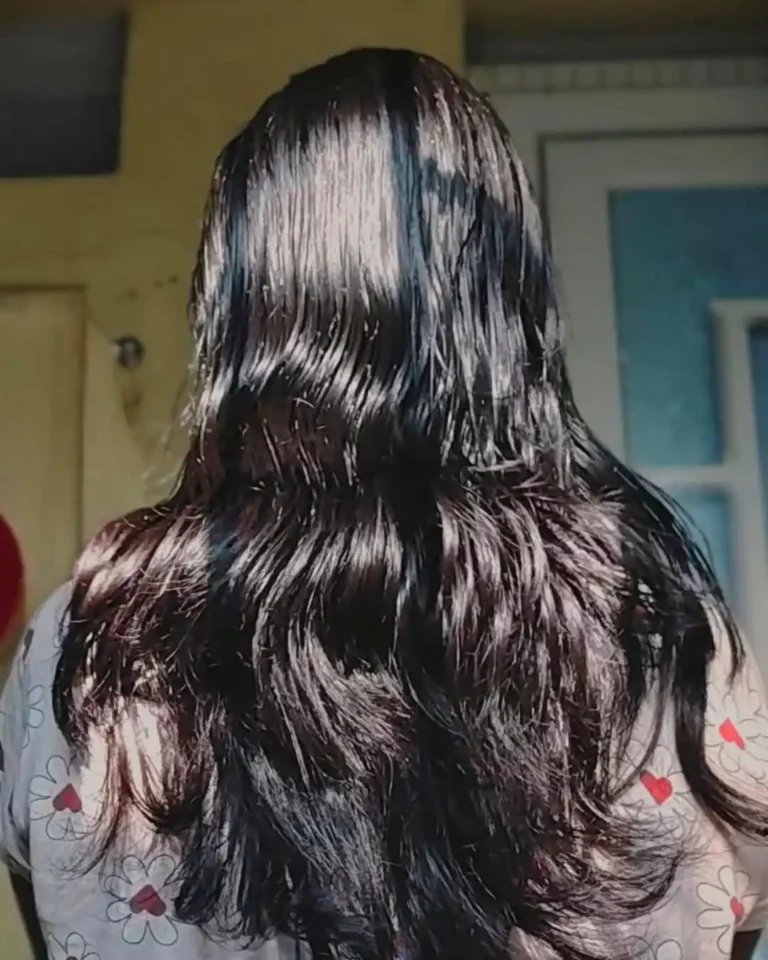
Why Is My Hair Breaking Off? Common Mistakes You Don’t Realize You’re Making
So you are looking at your hairbrush, seeing more hair than usual, and wondering, “Why does my hair keep breaking?” Believe me, you are not alone. Many people face this frustrating problem, and it is usually not as scary as it looks. Let us figure out what is happening with your hair.
Understanding Hair Breakage and Damage
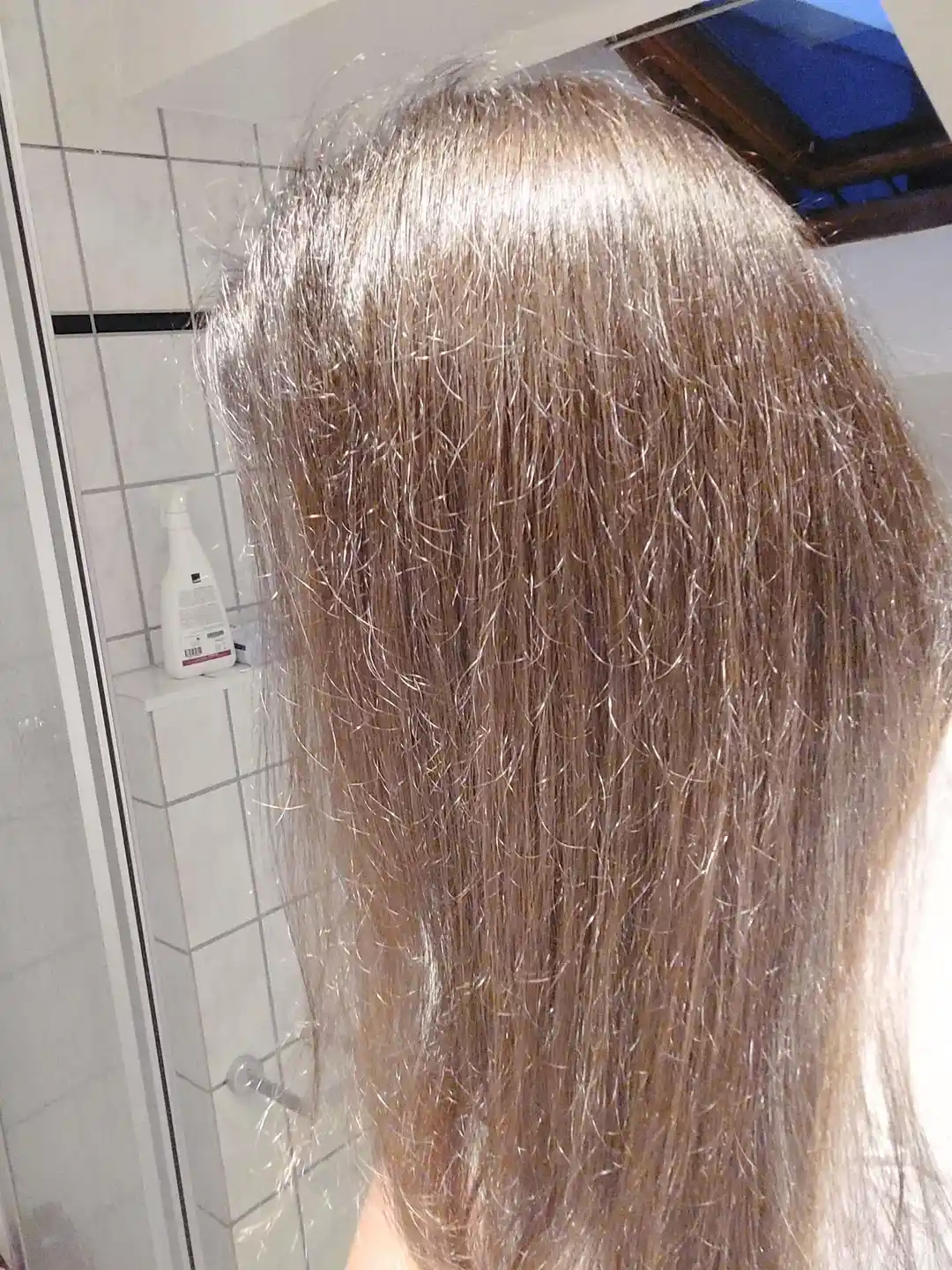
Hair breaking off is just your hair strand giving up. It is not falling out from the root; it is snapping somewhere along the shaft. Think of it like a weak rubber band that just can not take the stress anymore. This is different from hair shedding, which is when a whole strand falls out from the scalp.
What is the Difference Between Shedding and Breakage?
I remember freaking out once, thinking I was losing all my hair. Turns out, it was just normal shedding. You lose about 50 to 100 hairs a day. Breakage is different. You will see short, broken pieces, often with split ends, in your brush or on your clothes. If you pull a hair gently and it snaps in the middle, that is breakage. If the whole hair comes out with a tiny white bulb at the end, that is shedding.
Common Culprits Behind Hair Breakage
Lots of things can make your hair decide it has had enough. From how you treat it to what you eat, it all plays a part. Let us talk about some of the biggies.
Chemical Treatments Gone Wrong
Oh, the things we do for beauty! Hair color, perms, relaxers—they all use strong chemicals to change your hair texture and color. These can really mess with your hair’s structure, making it weak and brittle.
- Hair Dye: Bleach is especially harsh. It lifts the hair’s cuticle to remove natural pigment, leaving it vulnerable.
- Relaxers: These straighteners break down the hair’s bonds. If left on too long or applied too often, hair will just give up.
- Perms: Adding waves or curls also changes the hair’s internal structure. Over-processing here is a recipe for disaster.
I once tried to go from super dark to platinum blonde in one day. My hair felt like straw and broke off in chunks. It was a lesson learned the hard way.
Heat Styling Habits
That flat iron, curling iron, and even your blow dryer are wonderful tools, but they are also heat weapons if you are not careful. High heat sucks the moisture right out of your hair, leaving it dry and fragile.
Think about it. You would not put your hand on a hot stove, right? Your hair is pretty delicate too. Without heat protectant, you are practically frying your hair strands every time you style.
Rough Handling and Styling
How you treat your hair every day makes a huge difference. Are you yanking a brush through tangles? Do you always wear super tight ponytails? These habits put a lot of stress on your hair.
| Bad Habit | Why It Causes Breakage |
|---|---|
| Brushing wet hair | Wet hair is super elastic and breaks easily when stretched. |
| Tight hairstyles | Constant pulling creates tension and weakens strands at the root or where the elastic sits. |
| Aggressive towel drying | Rubbing hair vigorously creates friction, leading to frizz and breakage. |
I used to use those tiny elastic hair ties, and every time I took one out, I pulled out a bunch of hair with it. Not smart.
Lack of Moisture and Dry Hair
Dry hair is brittle hair. When your hair does not have enough moisture, it loses its elasticity and becomes prone to snapping. This is like a dried rubber band versus a new one.
Sometimes, this comes from not using enough conditioner, or using products that strip away natural oils. The weather plays a part too; harsh sun or dry air can really dehydrate your hair.
Nutritional Deficiencies
Your hair needs good nutrition just like the rest of your body. If you are not getting enough vitamins and minerals, your hair will show it. It might grow slower, or it might just give up the ghost.
- Iron: Lack of iron, or anemia, is a big one. It affects oxygen delivery to hair follicles.
- Proteins: Hair is mostly protein (keratin). Not enough protein in your diet means your hair literally can not build itself properly.
- Vitamins: Biotin, Vitamin D, and zinc are important for healthy hair growth and strength.
I know someone who had really brittle nails and breaking hair. Turned out, they were low on iron. A few changes to their diet and they saw a big difference.
Stress and Medical Conditions
Believe it or not, stress can really mess with your hair. When you are super stressed, your body goes into fight-or-flight mode, and blood flow to non-essential things, like hair growth, gets reduced. Things get out of whack.
Certain medical conditions, like thyroid issues, can also lead to hair thinning and breakage. If you have been doing everything right and still seeing a lot of breakage, talking to a doctor might be a good idea. I am no doctor, but listen to your body.
My Go-To Solutions for Hair Breakage
Alright, enough with the doom and gloom. What can you actually do about it? Plenty, my friend. Here are some of the things that have helped me and many others.
Be Gentle, Always
This is rule number one. Treat your hair like the delicate silk strands they are, not like a rope you are trying to untangle a knot from.
- Use a wide-tooth comb: Especially on wet hair. Start from the ends and work your way up to gently detangle.
- Pat, do not rub: After washing, gently squeeze excess water from your hair with a microfiber towel or an old t-shirt. It is much softer than a regular towel.
- Loose hairstyles: Give your hair a break from tight buns and ponytails. Try loose braids or just let it down sometimes.
Deep Condition Regularly
Moisture is your hair’s best friend. Deep conditioners and hair masks are like a big drink of water for thirsty strands.
I try to do a deep conditioning treatment once a week. My hair feels so much softer and stronger after. You can find these at any drugstore, or even make your own with things like avocado and honey.
Turn Down the Heat
Your styling tools do not need to be on the highest setting. Often, medium heat works just fine, especially if your hair is fine or thin.
Always use a heat protectant. Always. It creates a barrier between your hair and the hot tool, protecting it from direct damage. Air drying your hair more often is also a great habit to pick up.
Trim Your Ends Regularly
This might sound counter-intuitive, but regular trims actually help stop breakage from traveling up the hair shaft. Split ends are like a tear in fabric; if you do not snip it, it will just get bigger.
You do not need to cut off inches. Even a quarter-inch trim every 8-12 weeks can make a big difference in maintaining healthy ends. Think of it as a little tune-up for your hair.
Eat Like Your Hair Depends On It (Because It Does)
A healthy diet makes a huge difference. Think colorful fruits and vegetables, lean proteins, and healthy fats like those found in avocados and nuts.
For example, salmon is great for omega-3s, and spinach is full of iron. Eggs give you protein and biotin. Your hair literally uses the building blocks from your food to grow strong.
Rethink Your Hair Products
Some shampoos are really harsh. Look for sulfate-free shampoos, which are gentler and will not strip your hair of its natural oils. Ingredients matter.
If your hair feels sticky or weighed down, or just seems dry, it might be the products you are using. Sometimes, less is more when it comes to hair products.
Hair Breakage Prevention Tips
Prevention is always better than cure, right? Thinking ahead about your hair care can save you a lot of grief in the long run.
- Sleep on silk or satin pillowcases: Cotton pillowcases can create friction as you move in your sleep, leading to tangles and breakage. Silk is smoother.
- Protect your hair from the sun: Just like your skin, your hair can get damaged by UV rays. Wear a hat if you are out in the sun for a long time.
- Be mindful of harsh chemicals: If you color your hair, try to stretch out the time between treatments. A good stylist can also use bond-building treatments to help protect your hair during chemical processes.
I once forgot my hat on a beach vacation. My hair felt like straw by the end of the trip. The sun is powerful.
FAQ Section
Can stress cause sudden hair breakage?
Yes, stress can definitely contribute to hair breakage. High stress levels can affect your body’s overall health, including hair growth cycles and strand strength, making hair more prone to snapping.
Will cutting my hair short stop breakage?
Cutting your hair short does not magically stop breakage, but it removes the damaged, brittle ends. This can make your hair look and feel healthier, preventing existing breakage from traveling further up the hair shaft.
What are some effective home remedies for hair breakage?
Many people find that natural ingredients like coconut oil, olive oil, and egg masks help strengthen hair. These ingredients can provide deep moisture and protein, which are essential for repairing and preventing breakage.
How often should I wash my hair if it is breaking?
If your hair is breaking, washing it less frequently might help. Washing too often, especially with harsh shampoos, can strip natural oils. Try washing every other day or every few days to let your hair retain more moisture.