How to Style Natural Hair (My Guide)
You want to rock your natural hair, but sometimes it feels like a tangled mystery, right? You are not alone. Let us unravel some of that hair puzzle together. This guide will help you embrace your texture and make styling a breeze.

Understanding Your Hair Type
Before you even think about styling, you got to know what you are working with. Your hair is unique, like your fingerprints, but it still falls into categories. Knowing your hair type helps you choose the right products and techniques.
Porosity: Does Your Hair Drink It Up or Let It Slide?
Hair porosity is how well your hair absorbs and retains moisture. Think of it like a sponge. Does it soak up water fast or does water just sit on top?
- Low Porosity: Your hair cuticles are tightly closed. Products tend to sit on your hair rather than penetrate. It takes ages for your hair to get wet, but once it is wet, it stays wet.
- Medium Porosity: Your hair cuticles are slightly less bound. This hair type absorbs and retains moisture well. It is generally easy to style and holds styles well.
- High Porosity: Your hair cuticles are open. This hair type absorbs moisture easily but loses it just as fast. It often feels dry and looks frizzy.
Density: How Many Strands Do You Have?
Hair density is simply how many hair strands you have on your head. It does not matter if your individual strands are fine or thick. You can have fine strands but a lot of them, meaning high density. Or you can have thick strands but not many, giving you low density.
High density hair often feels thick and can take a long time to dry. Low density hair feels thinner and dries much faster. This affects how much product you use and how heavy a style feels on your head.
Texture: Is It Fine, Medium, or Coarse?
This refers to the thickness of individual hair strands, not the quantity of hair you have. You can have fine hair strands but a lot of them.
- Fine: Individual strands are very thin.
- Medium: Individual strands have a moderate thickness.
- Coarse: Individual strands are thick and strong.
Curl Pattern: The Shape of Your Strands
This is probably the most talked about hair characteristic, but it is just one piece of the puzzle. It describes the shape your hair makes, from wavy to coily.
| Type | Description | Example |
|---|---|---|
| Type 2 (Wavy) | Loose S-shape waves | 2a: very loose waves; 2b: defined S-shape; 2c: defined S-shape with some coils |
| Type 3 (Curly) | Loopy S-shape curls | 3a: large, loose curls; 3b: springy, bouncy curls; 3c: tight corkscrew curls |
| Type 4 (Coily) | Tight, zig-zag pattern | 4a: tight S-pattern; 4b: defined Z-pattern; 4c: dense zig-zag, less defined pattern |
Essential Tools and Products for Natural Hair
You can not build a house without bricks, right? The same goes for styling your natural hair. You need the right tools and products in your arsenal.
Must-Have Tools
Forget the old brushes that rip your hair out. You need gentle tools for your delicate strands.
- Wide-Tooth Comb: This is your best friend for detangling. Always detangle your hair when it is wet and covered in conditioner.
- Denman Brush or Similar Detangling Brush: Great for clumping curls and distributing product.
- Spray Bottle: Essential for refreshing styles in the morning or for re-wetting your hair for styling.
- Satin Bonnet or Pillowcase: Protects your hair from friction while you sleep, preventing breakage and dryness.
- Hair Clips/Clamps: Helps section your hair, making styling much easier.
Holy Grail Products
You do not need a million products, just the right ones that work for your hair type. Remember, less is often more.
- Cleansing Conditioner (Co-wash) or Gentle Shampoo: Cleanses your hair without stripping it of its natural oils.
- Deep Conditioner: A weekly treatment to intensely moisturize and strengthen your hair.
- Leave-In Conditioner: Light moisture that stays in your hair to keep it soft and manageable.
- Styling Cream/Gel: Defines your curls and provides hold for your styles.
- Hair Oil: Seals in moisture and adds shine. My personal favorite is Jamaican Black Castor Oil for my edges.
Basic Styling Techniques Anyone Can Master
Now that you know what you are working with and what you need, let us get to the fun part: styling! These are foundational techniques that you can build upon.
Wash and Go: Embrace Your Natural Texture
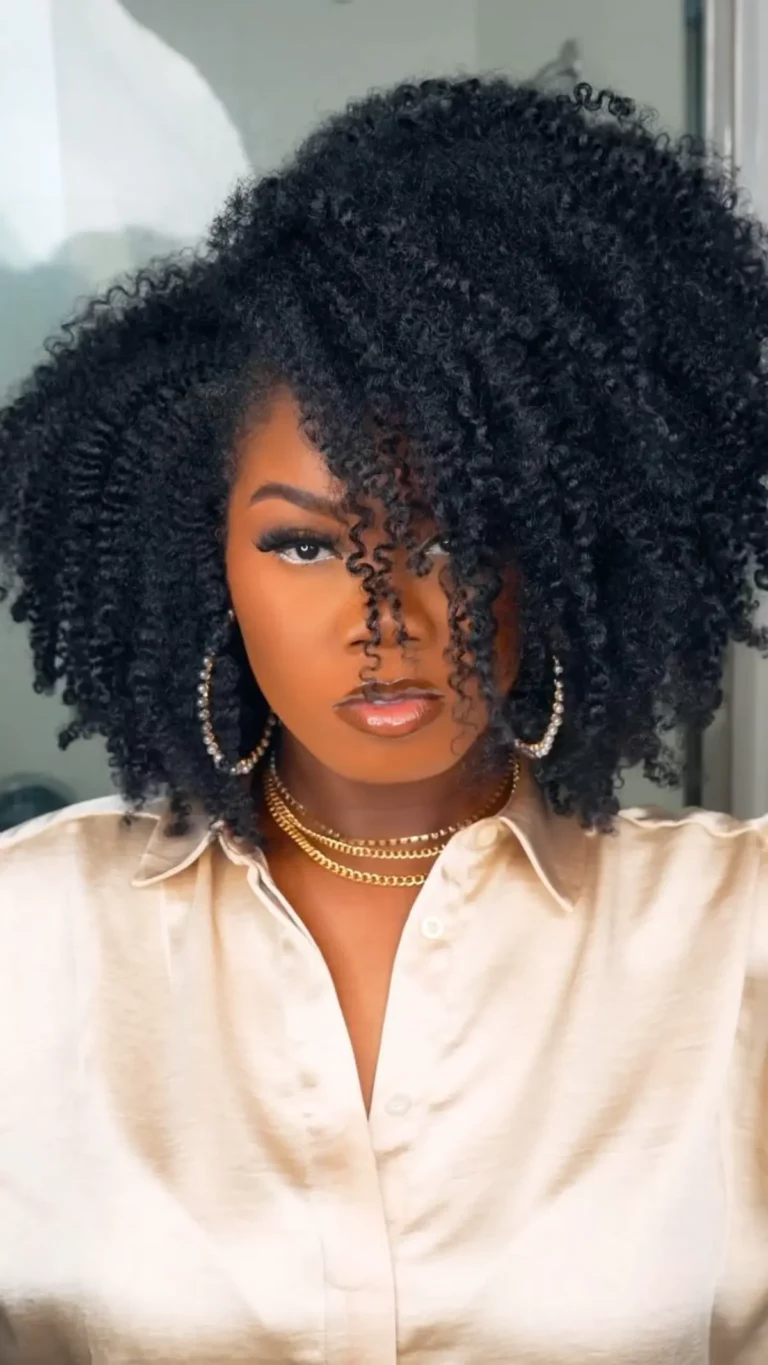
This is probably the easiest way to wear your natural hair, if your hair likes it. You wash it, add products, and go!
- Cleanse and Condition: Start with clean, deeply conditioned hair.
- Apply Leave-In: While your hair is still soaking wet, apply your leave-in conditioner evenly.
- Layer Styling Product: Follow with your styling cream or gel. Make sure to distribute it through small sections.
- Define Curls: You can rake the product through with your fingers or use a Denman brush to clump your curls.
- Dry: Let it air dry, or use a diffuser on low heat and low speed to speed up the process. Do not touch your hair while it is drying, unless you enjoy frizz.
Twist Outs and Braid Outs: Defined, Stretched Curls
These are fantastic for stretched, defined curls without heat. They are also great protective styles.
- Start on Damp Hair: Your hair should be damp, not soaking wet. Apply your leave-in conditioner.
- Section Hair: Divide your hair into small, manageable sections. The smaller the sections, the more defined your twists or braids will be.
- Apply Product: For each section, apply a generous amount of styling cream or butter.
- Twist or Braid:
- Two-Strand Twist: Divide a section into two strands and twist them around each other from root to tip.
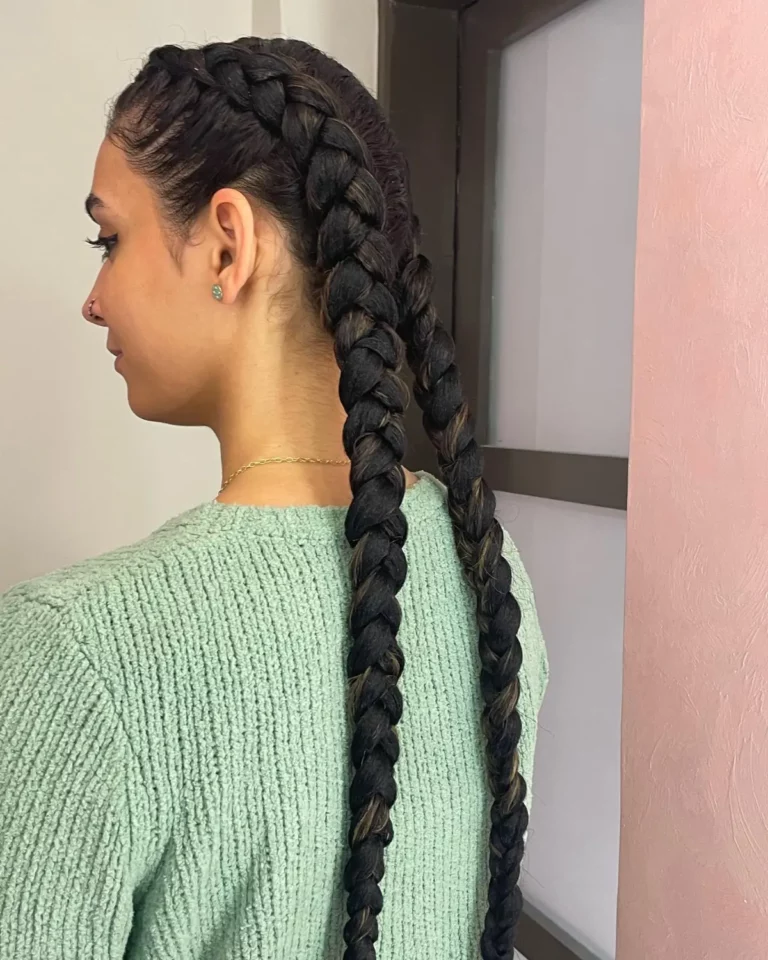
- Three-Strand Braid: Divide a section into three strands and braid them.
- Secure Ends: You can use a tiny bit of gel on the ends to help them stay together.
- Dry Completely: Let your twists or braids air dry completely, or use a hooded dryer. This is important. If you take them down too soon, you get frizz.
- Unravel: Gently unravel your twists or braids when your hair is 100% dry. Separate the curls with a little oil on your fingertips to avoid frizz.
Puffs and Buns: Quick and Easy Updos
When you are in a rush or just want your hair off your neck, puffs and buns are your go-to.
- High Puff: Gather your hair at the crown of your head and secure it with a hair tie or drawstring. Fluff out the puff.
- Low Bun: Coil your hair into a bun at the nape of your neck and secure with a hair tie or bobby pins.
- Pineapple: For sleeping, gather your hair loosely at the very top of your head in a loose puff. This helps preserve your curls overnight.
Maintaining Your Natural Hair Health
Styling is great, but healthy hair is key. You can not build a beautiful house on a shaky foundation. These habits keep your hair happy.
Moisture, Moisture, Moisture
Natural hair loves moisture. Your hair will thank you for it, believe me.
- Deep Condition Weekly: This is not optional. It replenishes moisture, strengthens strands, and improves elasticity.
- LOC/LCO Method: This popular method helps seal in moisture.
- L – Liquid (water or leave-in conditioner)
- O – Oil (seals in the liquid)
- C – Cream (a heavier moisturizer to further seal)
- Listen to Your Hair: If it feels dry, add moisture. It is pretty simple.
Protective Styling: Give Your Hair a Break
Protective styles tuck away your ends, which are the oldest and most fragile parts of your hair. They reduce manipulation and help with length retention.
- Braids: Box braids, knotless braids, cornrows.
- Twists: Two-strand twists, flat twists.
- Buns and Ponytails: Keep them loose to prevent tension.
Remember to moisturize your hair even when it is in a protective style. Your hair still needs love. You can use a spray bottle with water and a light oil.
Nighttime Routine: Protect Your Precious Curls
What happens when you sleep matters just as much as what happens during the day.
- Pineapple Method: Gather your hair into a loose high ponytail. This keeps your curls from being flattened.
- Satin or Silk: Sleep on a satin pillowcase or wear a satin bonnet. Cotton absorbs moisture from your hair and creates friction, leading to frizz and breakage.
Common Natural Hair Mistakes and How to Avoid Them
We all make mistakes, especially at the beginning of our natural hair journey. It is part of the learning curve. Here are some common ones to watch out for.
Over-Manipulation
Constantly touching, styling, or re-styling your hair leads to breakage and frizz. Style your hair once, let it dry, and leave it alone. Your hair enjoys some peace and quiet, just like you.
Not Deep Conditioning
Skipping deep conditioning is like skipping brushing your teeth. It is a fundamental part of hair health. Your hair craves it. Make it a weekly habit, even if you are lazy like I can be sometimes.
Using the Wrong Products
Just because a product works for your favorite natural hair influencer does not mean it works for you. Your hair has its own personality. Experiment with products, but only buy travel-sized versions first. You probably have a graveyard of half-used products like I do.
Not Hydrating Properly
Hair is often described as feeling dry. This is because it is dry. You need to keep it hydrated from the inside out and the outside in. Drink your water and use your leave-in conditioner. It is not rocket science, it is just consistency.
FAQ
How often should I wash my natural hair?
You can wash your natural hair every 7-10 days, or whenever it feels dirty or has product buildup. Listen to your hair; some people wash more frequently, while others go longer.
Can I use heat on my natural hair?
Yes, you can use heat sparingly. Always use a heat protectant and the lowest heat setting possible to avoid damage. Heat can alter your curl pattern if not used carefully.
How do I deal with frizz?
Frizz often means your hair needs more moisture or better product setting. Apply products to soaking wet hair, avoid touching your hair while it dries, and use a good gel for hold.