How to Style Thin Hair: Expert Tips for Volume and Texture
Styling thin hair can be a challenge, but with the right techniques, you can create the illusion of fullness and volume. Many people with fine or thin hair struggle to find styles that don’t fall flat or look limp by midday.
The secret to successfully styling thin hair lies in using lightweight volumizing products, proper washing techniques, and choosing the right haircuts that add natural body.
Whether your hair is naturally fine or has thinned over time, there are simple styling methods that can transform your look.
You don’t need to spend hours on complicated routines to achieve beautiful results. From beachy waves to strategic braiding, the right approach can make your thin hair appear thicker and more voluminous with minimal effort.
Understanding Thin Hair and Its Unique Needs
Thin hair requires specific care approaches to look its best. Knowing what makes your hair unique can help you choose the right products and styling techniques.
Differences Between Thin Hair and Fine Hair
Thin hair and fine hair aren’t the same thing, though many use the terms interchangeably. Thin hair refers to hair density—the number of hair strands on your scalp. Fine hair describes the diameter of each individual strand.
You can have thin hair that’s coarse in texture, or fine hair that’s dense. Many people have both thin and fine hair together, which creates unique styling challenges.
When touching fine hair, it feels soft and silky between your fingers. Thin hair appears less voluminous overall and may show more scalp. A simple test: take one strand of hair and roll it between your fingers. If you barely feel it, your hair is fine in texture.
Understanding this difference helps you select appropriate products. Fine hair needs lightweight formulas that won’t weigh it down, while thin hair benefits from volumizing products.
Common Challenges and Solutions
Thin hair often lacks volume and can fall flat quickly. Oil builds up faster because fewer strands distribute the same amount of natural scalp oils.
Common Challenges:
- Lack of volume and body
- Quick oil buildup
- Difficulty holding styles
- Appearing limp or stringy
Effective Solutions:
- Use volumizing products like mousses and root sprays
- Try dry shampoo or arrowroot powder to absorb excess oil
- Choose haircuts that create the illusion of fullness, like choppy bobs
Layered haircuts add movement and dimension to thin hair. A chin-length bob or shoulder-length lob creates the appearance of thickness without sacrificing length.
The Role of Scalp Health in Hair Appearance
Your scalp is the foundation for healthy hair growth. For thin hair especially, scalp condition directly impacts how your hair looks and feels.
An oily scalp makes thin hair appear flatter and limper. Conversely, a dry, flaky scalp can cause inflammation that affects hair growth and appearance.
Regular scalp treatments help maintain the ideal environment for healthy hair. Try gentle exfoliation once weekly to remove buildup that can clog follicles.
Stimulating blood flow to your scalp through massage encourages nutrient delivery to hair follicles. This promotes stronger growth and can improve hair thickness over time.
Avoid harsh shampoos containing sulfates, as these strip natural oils and trigger overproduction of sebum. Instead, choose sulfate-free formulas specifically designed for thin hair that cleanse without weighing hair down.
Essential Hair Care Tips for Thin Hair
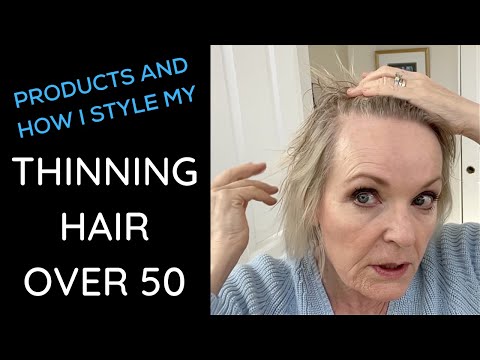
Caring for thin hair requires special attention to products, techniques, and daily habits. The right approach can transform your delicate strands into a fuller, more vibrant look with proper maintenance.
Choosing the Right Shampoo and Conditioner
Selecting appropriate products is crucial for thin hair health. Volumizing shampoos work best for adding body, while using a clarifying shampoo once weekly helps remove buildup that weighs hair down.
Don’t wash your hair daily – this strips natural oils and makes thin hair appear flatter. Every other day is typically ideal for most fine hair types.
When it comes to conditioner, use it sparingly and focus on the ends only. Applying conditioner to your roots can make thin hair look limp and greasy.
Look for lightweight formulas labeled “volumizing” or “for fine hair” that won’t overwhelm your strands. Heavy moisturizing products designed for thick hair will only weigh down your fine locks.
Preventing Heat Damage and Promoting Shine
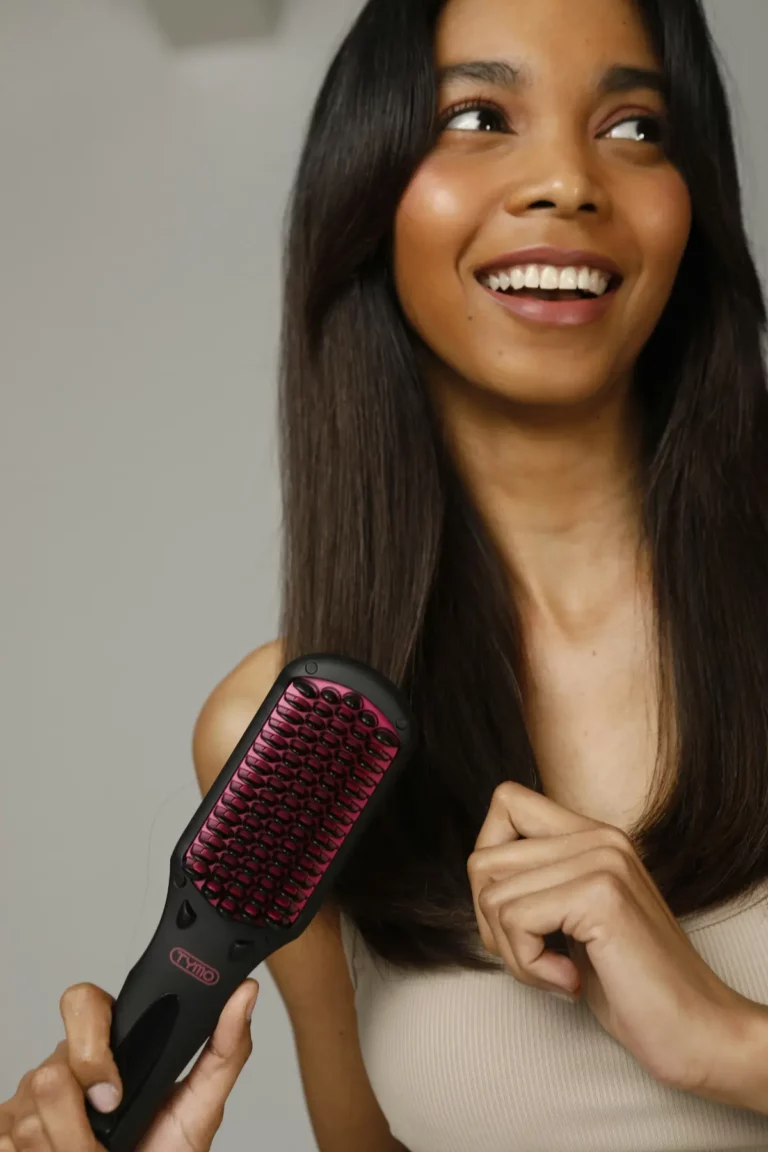
Thin hair is more vulnerable to heat damage than thicker types. Always use a heat protectant spray before styling with hot tools.
Set your blow dryer and styling tools to medium heat rather than high. The extra minute of styling time is worth preventing the damage that makes thin hair look even more sparse.
When possible, air-dry your hair to about 80% before finishing with heat styling. This minimizes exposure to damaging temperatures while still allowing for style control.
For added shine without weight, try a lightweight hair oil applied only to the mid-lengths and ends. Remember that a little goes a long way – just a drop or two is sufficient.
Supporting Hair Growth and Bounce
Regular trims every 6-8 weeks help prevent split ends that make thin hair appear even more sparse. Choppy, layered cuts add texture and create the appearance of volume.
Massage your scalp for 3-5 minutes daily to stimulate blood flow to hair follicles. This simple habit can support healthier hair growth over time.
Consider using a silk pillowcase to reduce friction. Cotton pillowcases can cause breakage and frizz for delicate thin strands.
For added bounce, try lightweight styling products specifically formulated for fine hair:
- Volumizing mousse (applied at roots)
- Sea salt spray (for texture without weight)
- Dry shampoo (to absorb oil and add lift)
Apply styling products strategically – concentrate volume-boosting products at the roots and texturizing products at the mid-lengths and ends.
Styling Techniques to Add Volume and Texture

Adding volume to thin hair requires specific techniques and products that work together to create fullness without weighing hair down. The right approach can transform flat, lifeless hair into a style with body and movement.
Root Lift and Rough Dry Methods
Start with damp, freshly washed hair using a volumizing shampoo and conditioner. Apply conditioner only to mid-lengths and ends to avoid weighing down your roots.
When blow-drying, flip your head upside down and direct heat at your roots. This creates natural lift from the scalp and adds immediate volume.
Use a round brush to lift sections of hair at the root while blow-drying. Focus on the crown area where volume makes the most impact.
For even more lift, try the “rough dry” technique:
- Dry hair to about 80% using just your fingers to tousle
- Concentrate on lifting the roots while drying
- Finish styling once hair is nearly dry
Selecting and Using Styling Products
Choose lightweight products specifically formulated for fine hair. Heavy creams and oils will flatten your style quickly.
Apply a volumizing mousse to damp roots before blow-drying. Massage it into your scalp to ensure even distribution and maximum lift.
Texturizing sprays and dry shampoos are your allies. They absorb excess oil and create friction between hair strands, making hair appear fuller. Spray at the roots and mid-lengths, then gently tousle with your fingers.
Consider these product types for thin hair:
- Volumizing mousses and foams
- Root-lifting sprays
- Lightweight texturizing powders
- Dry shampoo (even on clean hair)
Creating Curls and Waves for Fuller-Looking Hair
Curls and waves naturally create volume by adding texture and preventing hair from lying flat against the head. Even subtle bends can make thin hair appear much fuller.
Use a medium-sized curling iron or wand (3/4 to 1-inch barrel) for loose waves. Smaller barrels create tighter curls that can make fine hair look even thinner.
Velcro rollers are excellent tools for creating volume without heat damage. Place them at your crown and leave until cool for maximum lift.
For overnight volume, try braiding damp hair before bed. In the morning, you’ll have waves that add body and texture without heat styling.
After curling, avoid heavy finishing products. Instead, lightly mist with a flexible-hold hairspray, holding the can 10-12 inches from your head.
Flattering Hairstyles and Tutorials for Thin Hair

Finding the right hairstyle can make a significant difference in how your thin hair appears. The right cut and styling techniques can create an illusion of thickness and add much-needed volume.
Best Everyday Hairstyles for Fine Hair
Layered bobs are perfect for thin hair as they create movement and the appearance of fullness. Ask your stylist for a blunt cut with light layers to maintain weight at the ends while adding texture.
Beachy waves work wonders for fine hair by creating the illusion of texture and volume. Use a 1-inch curling iron and curl in alternating directions for a natural look.
Textured pixie cuts are another excellent option if you’re willing to go shorter. The shorter layers on top create lift and volume, while requiring minimal styling time.
Pro tip: Add subtle highlights to create dimension, which makes hair appear thicker without causing damage from full coloring.
A side part can instantly create volume at the crown. Try switching your part occasionally to prevent hair from lying flat in the same direction.
Elegant Updos to Maximize Volume
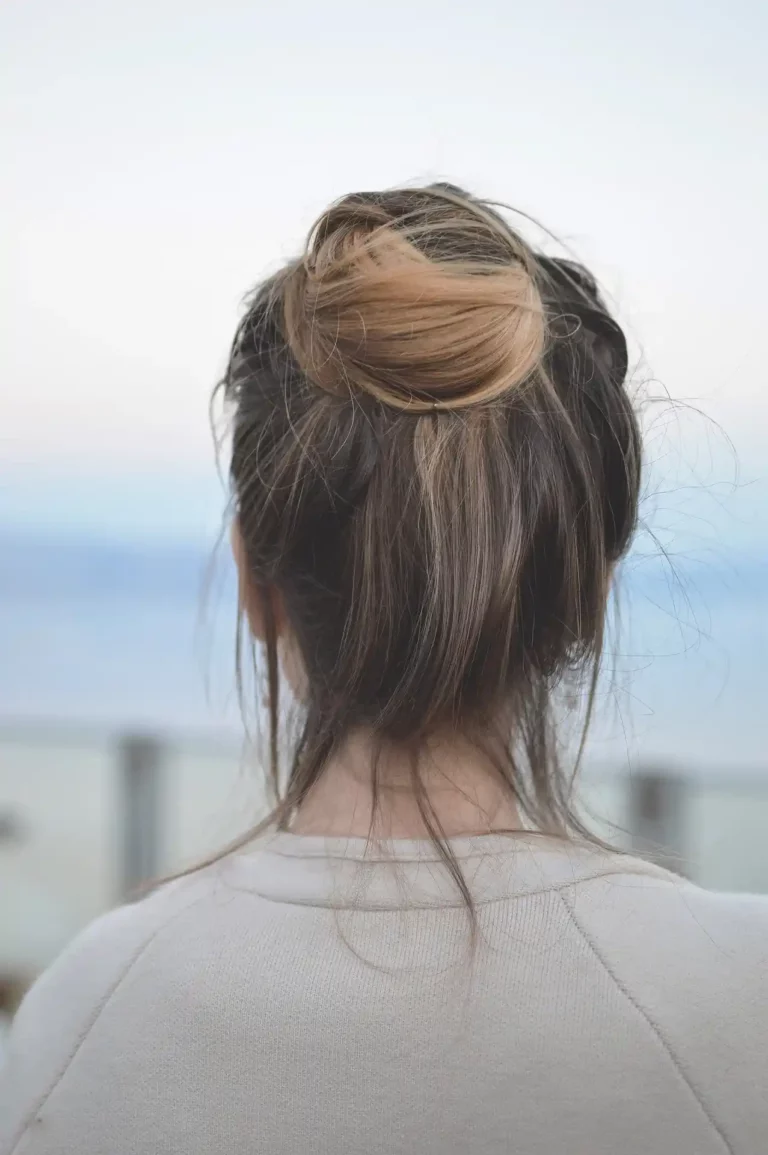
The messy bun is perfect for thin hair—loosely gather your hair, twist it into a bun, and secure with pins. Pull out a few strands for a casual, voluminous look.
For formal occasions, try a textured low chignon with added height at the crown. Tease the crown section before pulling hair back to create a fuller appearance.
Volume-adding technique: Before creating any updo, use a dry texturizing spray at the roots and gently backcomb sections at the crown.
Half-up styles work well for thin hair. They concentrate volume at the crown while leaving some hair down for length. Try a half-up crown braid or twisted sections for added texture.
A loose French twist with volume at the crown appears elegant while maximizing thickness. The key is keeping it deliberately imperfect—too sleek will highlight thinness.
Step-by-Step Hair Tutorials
For quick volume, try this blowout technique: apply volumizing mousse to damp roots, flip your head upside down, and blow dry while using a round brush to lift at the roots.
To create lasting volume in fine hair, velcro rollers work wonders:
- Apply a volumizing spray to damp hair
- Blow dry until 80% dry
- Place large rollers at the crown and medium ones elsewhere
- Finish drying with rollers in place
- Let cool completely before removing
Try the “twist and pin” method for a quick updo: divide hair into 4-6 sections, twist each away from your face, then pin them in place crossing over each other at the back. Gently loosen with fingers for added volume.
For everyday texture, the overnight braid technique creates heatless waves. Braid damp hair before bed, apply a lightweight mousse first, and unravel in the morning for effortless volume.
Frequently Asked Questions
Styling thin hair effectively requires knowing the right haircuts, products, and techniques that add volume without causing damage. These answers address common concerns for people with fine or thin hair looking to create fuller styles.
What are the best haircuts to give volume to thin hair?
Layered cuts are excellent for thin hair as they create movement and the illusion of thickness. The layers remove weight while adding bounce and dimension.
Embracing your natural texture can also help maximize volume in thin hair.
Blunt bobs and lobs (long bobs) work well because they create a solid shape that makes hair appear thicker. Avoid overly long styles which can weigh thin hair down.
How can I add texture to my thin hair without weighing it down?
Use texturizing sprays that add grip and body without heavy residue. These products create separation between strands for a fuller appearance.
Dry shampoo isn’t just for oil control—it’s great for adding texture at the roots. Apply it to clean, dry hair as a styling product for instant lift.
Lightweight mousse can add body without heaviness. Apply a small amount to damp hair before blow-drying for maximum volume.
What styling techniques work best for creating fullness in short, fine hair?
Blow-drying with your head upside down directs the roots upward, creating lift that lasts. Use a round brush to enhance this effect.
Velcro rollers are excellent for adding volume to short, fine hair. Place them at the crown while hair is damp, blow-dry, then remove when cool.
Backcombing or teasing the crown area gently can create height. Remember to be gentle and only tease the under-layers to avoid damage.
Are there any specific hair products recommended for men with thin, flat hair?
Matte styling pastes work well for men’s thin hair as they provide texture and control without shine that can make hair look greasy or thinner.
Sea salt sprays help create natural-looking texture and volume. These are especially good for casual, tousled styles that make hair appear thicker.
Avoid heavy pomades or gels which can clump hair together, making it look thinner. Instead, opt for lightweight products specifically formulated for fine hair.
How can I style my thin straight hair without causing damage or hair loss?
Avoid high heat settings on styling tools which can weaken already delicate strands. Always use a heat protectant spray before any heat styling.
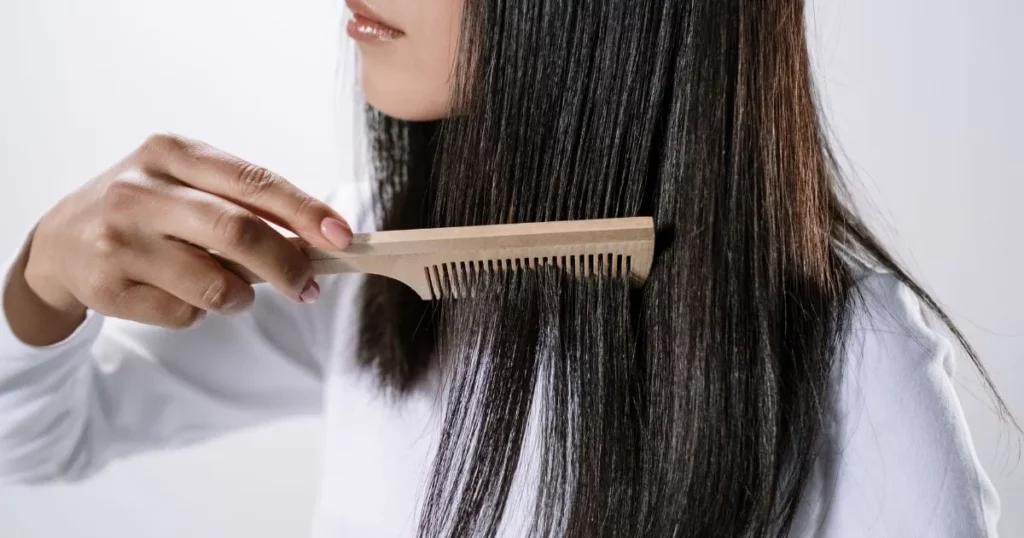
Be gentle when brushing thin hair, especially when wet. Use a wide-tooth comb or a brush specifically designed for wet, delicate hair.
Limit chemical treatments like coloring or perming which can weaken hair structure. If you do color your hair, stay within two shades of your natural color to minimize damage.
Can you suggest any hairstyles that help make thin hair look thicker?
Beachy waves create the illusion of fullness by adding texture and preventing hair from lying flat against the head.
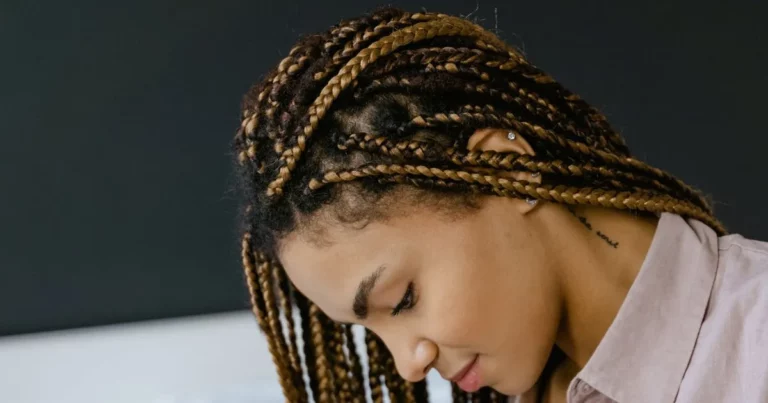
Braids can make thin hair look thicker by compressing the strands together. Try loose side braids or braided crowns for an elegant look that maximizes perceived thickness.
Side parts tend to create more volume than center parts. The asymmetry creates natural lift at the roots where you need it most.