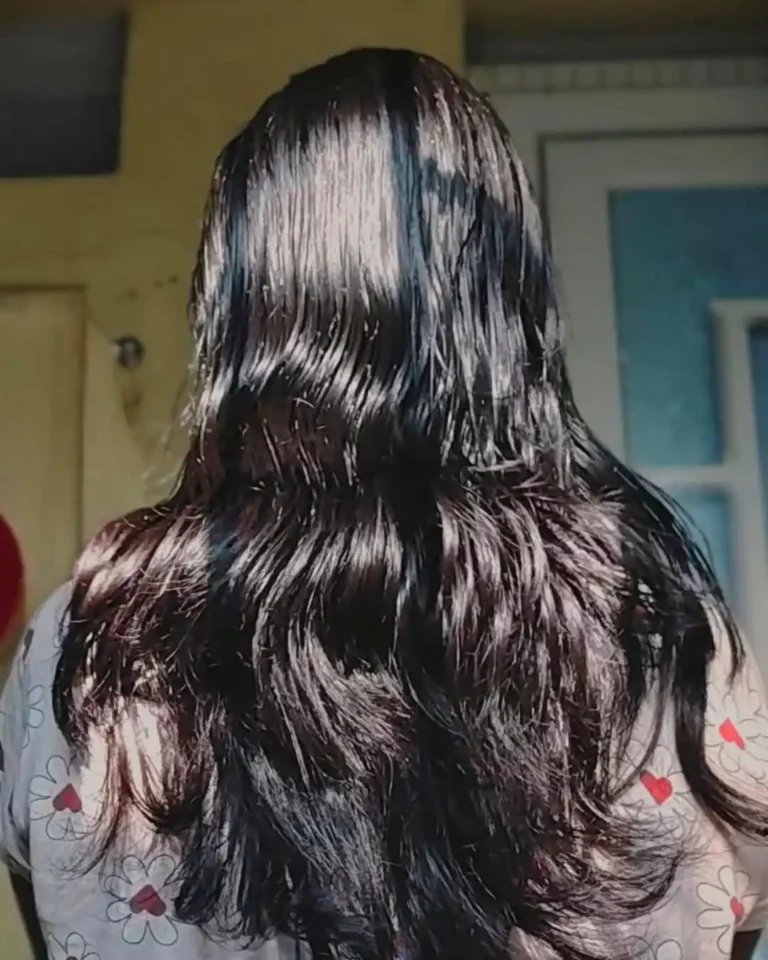
My Weekly Deep Conditioning Routine for Healthy Curly Hair
Alright curl friends, let’s get into a ritual that’s seriously gonna boost your hair health. Doing a weekly deep conditioning routine is non-negotiable if you want consistently healthy curly hair.
It tackles dryness, helps prevent breakage, makes your curls behave better, and just gives them that life, you know? Especially cause curly hair tends to be naturally drier, this weekly boost makes a huge difference.
Forget thinking it’s some complicated salon-only thing. You can totally do an amazing deep conditioning treatment right at home.

Here’s how I recommend my clients do it:
Step 1: Start with Clean(ish) Hair
You want that amazing deep conditioner to really sink in, right? It cant do that very well if its sitting on top of a bunch of old product or dirt.
- Best Bet: Post-Shampoo: The ideal time to deep condition is right after you shampoo on your wash day. Your hair cuticle is slightly lifted from washing, making it ready to soak up all the goodness.
- Co-wash Crew: If you co-wash (wash with conditioner), you can apply it after that too.
- Just Need a Boost?: If your hair feels pretty clean but just needs that moisture hit mid-week, you can lightly dampen your hair and apply it. Just know absorption might be a little less effective than on freshly washed hair.
Step 2: Pick Your Potion – The Right Deep Conditioner

This is kinda important. Not all deep conditioners are created equal, and your hair might need different things at different times.
- MoistureFocused: Most curly hair loves moisture. Look for ingredients like shea butter, glycerin, aloe vera, fatty alcohols (like cetyl or cetearyl alcohol – dont be scared by the word alcohol!), and oils (argan, jojoba, avocado, etc.). If your hair feels dry, brittle, or rough, you need moisture.
- Protein Power: Sometimes curls get too moisturized (yes, its a thing!) and become mushy, overly soft, or lose their bounce. Or, if your hair is damaged (color-treated, heat-styled), it might need strength. Protein treatments often have ingredients like hydrolyzed proteins (wheat, soy, keratin), amino acids, or collagen. Use these maybe once a month or every few moisturizing treatments, unless your hair is super damaged and craving it more. Its about balance!
Step 3: Apply Generously and Evenly
Don’t be stingy! But also, make sure you get it everywhere it needs to go.
- Section it Out: Especially if you have thick hair, divide it into 4 or more sections. This helps you make sure every strand gets some love.
- Focus Mid-Lengths to Ends: This is usually the oldest and driest part of your hair. Apply the deep conditioner here first, working it in. You can apply closer to the roots if your scalp/roots are also dry, but if you get oily easily, keep it focused lower down.
- Use Your Hands: Rake the product through with your fingers. Use the “praying hands” method (smoothing sections between your palms) to coat the strands. Squish it in (“squish to condish”) to really encourage absorption.
Step 4: Turn Up the Heat (Optional, but Recommended!)
A little warmth helps the hair cuticle open up, allowing the deep conditioner to penetrate more deeply. You don’t need fancy equipment!
- Shower Cap Power: Slap on a simple plastic shower cap after applying. Your own body heat trapped inside will create a nice warm environment. This is my go-to easy method!
- Warm Towel Turban: Cover the shower cap with a warm towel (pop a damp towel in the microwave for a few seconds – careful, dont make it too hot!).
- Steamer/Hooded Dryer: If you have one, great! Sitting under gentle heat for 15-20 mins works wonders.
Step 5: Let it Marinate (But Follow Instructions)
Give the deep conditioner time to work its magic.
- Check the Label: Most deep conditioners recommend leaving them on for somewhere between 15 to 30 minutes. There usually isnt much added benefit to leaving it on way longer (like overnight, unless the product specifically says so), and for some protein treatments, leaving them too long can actually make hair brittle. Stick to the instructions for the best result.
- Chill Out: Use this time to relax, read a book, catch up on a show. Its your hair’s spa time!
Step 6: Rinse Like You Mean It!
This is crucial. Leaving deep conditioner residue behind can weigh your curls down and make them look greasy or dull.
- Use Cool Water: Rinse really, really thoroughly. Use lukewarm or cool water for the final rinse. This helps close that hair cuticle back down, sealing in the moisture and boosting shine.
- Keep Rinsing: Rinse for longer than you think you need to. Feel your hair – it should feel soft and hydrated, but not slippery or coated anymore.
Making it Stick

Adding this weekly deep conditioning routine into your schedule might seem like another step, but trust me, the payoff for healthy curly hair is huge. It makes your daily styling easier, reduces annoying frizz, and gives your curls that strength and bounce we all crave. Pair it with your wash day, maybe right after clarifying if you do that weekly or bi-weekly. Consistency here makes all the difference!
Frequently Asked Questions (FAQ)
Q1: Can I deep condition more than once a week?
A: Usually, once a week is plenty for most curly types. If your hair is extremely dry or damaged (like right after bleaching), you might benefit from twice a week for a short time, but watch out for over-moisturizing (mushy hair).
Q2: Do I need to buy expensive deep conditioners?
A: Not necessarily! There are some amazing drugstore deep conditioners. Look at the ingredients more than the price tag – focus on finding those moisturizing or protein ingredients your hair loves.
Q3: What’s the real difference between my rinse-out conditioner and a deep conditioner?
A: Deep conditioners usually have a higher concentration of conditioning ingredients and are formulated to penetrate the hair shaft more deeply than your regular daily conditioner, which mostly works on the surface. That’s why you leave them on longer.
Q4: Can I apply deep conditioner to dry hair?
A: You can, and some people like it, but generally, applying to clean, damp hair works better. Damp hair absorbs product more readily, and without dirt or product buildup, the deep conditioner can penetrate more effectively.