How to Style Hair with Extensions (Everything You Need to Know)
Got hair extensions and feeling a bit lost on how to make them look totally natural, like they grew right out of your scalp? You are not alone. Many folks get extensions then wonder what to do next. Do not worry, I will tell you everything you need to know. We are going to make those extensions work for you.
Choosing the Right Extensions for Your Hair Type
First things first, you gotta pick extensions that match your hair. Seriously, this step makes or breaks the whole look. If you get bouncy, thick extensions and your natural hair is fine and flat, well, that just looks fake. You want seamless blending, not a mullet from the 80s.
Matching Hair Texture and Thickness
You need to consider your natural hair texture. Is it stick-straight, wavy, or super curly? Your extensions should mimic that as closely as possible. And think about thickness. If your hair is fine, getting really dense extension wefts can be a dead giveaway. You want to add volume, not create a shelf on your head.
I once had a client who showed up with extensions that were way too thick for her delicate strands. We spent hours trying to blend them, but it just looked wrong. It was kind of like putting a fluffy cat on a tiny dog, if you get what I mean. Her hair just could not support the weight or blend the volume properly.
Color Matching is Key
Do you know what is worse than mismatched textures? Mismatched colors. You need to get your extension color as close to your natural hair color as possible. Sometimes, you might need two different shades of extensions to get a more natural, multi-tonal look.
A good stylist can help you with this. They can hold the extension strands right up to your hair. We are talking about little differences sometimes, like a warm blonde versus a cool blonde. Those small distinctions make all the difference in the world.
Prepping Your Hair for Styling Success
Before you even think about curling or straightening, your hair and extensions need proper prep. This is like building a house; you need a good foundation. Skip this, and all your hard work can fall flat, or worse, your extensions can get damaged.
Gentle Washing and Conditioning
Washing your hair with extensions requires a delicate touch. You do not want to tug or pull at the bonds. Use a sulfate-free shampoo and conditioner. Sulfates can dry out extensions and shorten their lifespan. Always condition from the mid-shaft down, avoiding the roots where your bonds are.
When you are rinsing, make sure all the product is out. Leftover conditioner can weigh down your hair and leave a weird residue. I always tell my clients to imagine they are watering delicate flowers, not scrubbing a dirty pot. You want to be super gentle.
Detangling Properly
This is where many people mess up. Never, ever, rip through your hair with a brush. Start detangling from the ends and work your way up. Use a wide-tooth comb or a brush designed for extensions. Holding the hair at the roots while you comb helps prevent tension on the bonds.
I learned this the hard way myself years ago. I thought I was being quick, but I ended up pulling a small section of an extension right out. It was a humbling moment, let me tell you. Now, I am religious about the gentle detangle method.
Mastering Heat Styling with Extensions
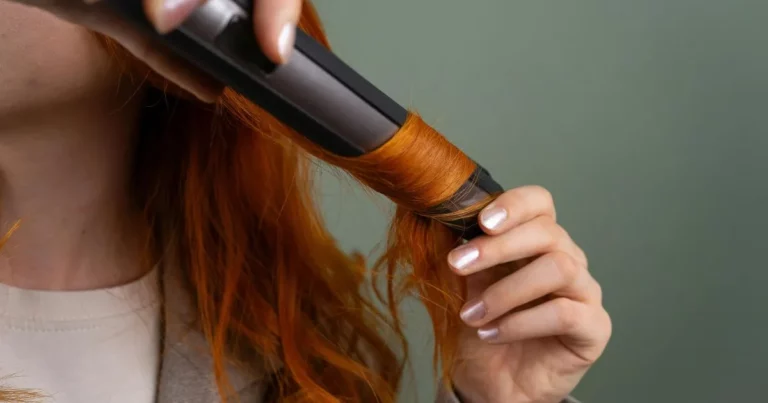
Yes, you can use heat tools on extensions, especially human hair extensions. But you have to be smart about it. Heat can cause damage, just like it does to your natural hair. You want to prolong the life of your hair, not shorten it.
Using Heat Protectant is Non-Negotiable
Before you even think about turning on that curling iron or flat iron, apply a heat protectant spray. This creates a barrier between the heat and your hair, minimizing damage. Think of it as sunscreen for your hair.
I am serious about this. If you do not use heat protectant, you are asking for trouble. Dry, brittle, fried ends are not a good look on anyone. And extensions show damage even more readily than natural hair sometimes.
Temperature Control for Longevity
You do not need to crank your heat tools up to the highest setting. Most extensions do fine on medium heat. If you are using synthetic extensions, you need to be even more careful or avoid heat altogether. Always do a test curl on a hidden strand first.
My flat iron has a dial with numbers, not just “hot” and “super hot.” I tell clients to start low, around 300-325 degrees Fahrenheit for most hair types. You can always go up a little, but you cannot undo burned hair.
Everyday Styling Tips for Natural Blending
The goal is always for your extensions to look like your own hair. This comes down to clever styling techniques. You want to create a cohesive look, not layers that look like obvious additions.
Creating Seamless Blends
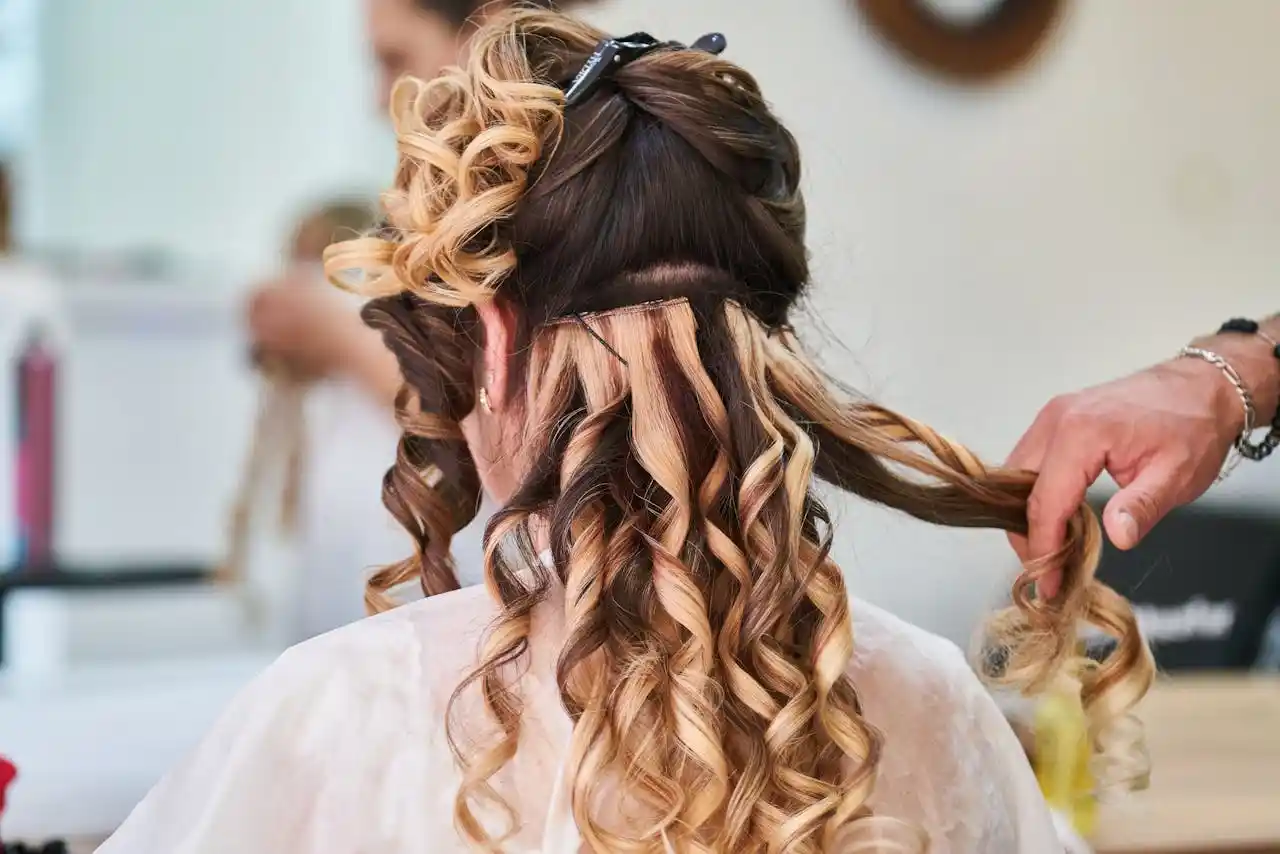
When you are styling, focus on blending the transition area between your natural hair and the extensions. For instance, when curling, make sure to curl sections that include both your natural hair and the extension strands together. This helps them marry beautifully.
I find that a soft wave or a loose curl helps blend extensions better than super-straight hair. Straight hair can sometimes make those transition lines more visible. Also, avoid super severe parts right at the top of your head, which can expose tracks or bonds.
Volume and Lift Tricks
Extensions add weight, which can sometimes flatten your crown. To combat this, you can gently tease the roots of your natural hair around the crown area. A little dry shampoo there can also add texture and lift without weighing things down.
I swear by a good root lift spray for my clients with extensions. Just a few spritzes and a quick blast with a blow dryer can give you that much-needed volume at the top. It prevents your hair from looking like it is glued flat to your head.
Hairstyles That Flatter Extensions
Certain hairstyles just work better with extensions. They help conceal attachment points and allow the added length and volume to shine. You are basically using the style to enhance the illusion.
Braids and Ponytails
Braids are fantastic for extensions. They help distribute the weight, and they look fuller than regular braids. A high ponytail can also look stunning with extensions, giving you that super-long, voluminous swish. Just be careful not to pull too tightly at the roots.
I love doing a loose, messy braid on clients with extensions. It looks so bohemian and chic. For ponytails, I often suggest wrapping a strand of hair around the elastic to hide it. That little detail makes a huge difference.
Half-Up, Half-Down Styles
These styles are perfect for showing off your length while still keeping some hair out of your face. They also help hide any visible wefts or bonds around the back of your head. You can braid the top section or just loosely pin it back.
A half-up bun or a twisted half-updo looks especially pretty with extensions. It adds a touch of elegance without being too formal. It is my go-to recommendation for date nights or even just looking pulled together for errands.
Tools and Products Every Extension Wearer Needs
Having the right arsenal of tools and products makes styling your extensions so much easier and more effective. You do not need a million things, just the right ones.
Essential Brushes and Combs
- Wide-tooth comb: For detangling wet hair and gently separating strands.
- Extension brush: These brushes have looped bristles that glide over extension bonds without snagging.
- Soft bristle brush: For smoothing and styling dry hair without causing static or frizz.
Must-Have Hair Products
You want to protect those precious strands and keep them looking their best. Here are some of my top picks:
| Product Type | Purpose | Application Tip |
|---|---|---|
| Sulfate-free shampoo & conditioner | Gentle cleansing, preserves extension life | Focus conditioner on mid-lengths to ends, avoid roots. |
| Heat protectant spray | Shields hair from heat tool damage | Apply evenly to damp hair before blow-drying or dry hair before styling. |
| Leave-in conditioner/oil | Adds moisture, reduces frizz, enhances shine | Use sparingly on ends, avoiding roots and bonds. |
| Dry shampoo | Freshens hair, adds volume, extends time between washes | Spray at roots of natural hair, not directly on bonds. |
I always tell my clients to invest in good quality products. Cheap stuff can literally strip your extensions or make them feel like straw. It is not worth saving a few bucks to ruin expensive hair.
Maintaining Your Extensions for Long-Lasting Beauty
Styling is great, but regular maintenance keeps your extensions looking good for weeks or months. This means good habits, even when you are not actively styling.
Nighttime Routines
Before bed, gently brush your hair to remove any tangles. Then, braid your hair into a loose braid or put it in a loose ponytail. This prevents tangling and matting while you sleep. Sleeping on a silk pillowcase can also reduce friction and prolong the life of your extensions.
I made the mistake once of sleeping with my extensions completely loose. I woke up with a giant knot that took ages to get out. Never again. A messy bun or a loose braid is your best friend at night.
Regular Professional Maintenance
Depending on the type of extensions you have, you will need professional adjustments or re-applications. Tape-ins need to be moved up every 6-8 weeks, for example. Skipping these appointments can lead to damage to your natural hair or the extensions.
Think of your stylist as your hair’s doctor. We can spot issues like breakage or bond slippage before they become big problems. Do not try to get too many extra weeks out of your extensions; it just causes more issues in the long run.
Troubleshooting Common Extension Styling Issues
Even with all the right advice, sometimes things go a little sideways. Do not panic. Most problems have simple fixes.
Dealing with Visible Bonds/Tracks
If your bonds or tracks are showing, you probably need to adjust your parting or style. Try a zigzag part instead of a straight one. Or, if you usually wear your hair up, make sure you have enough natural hair to cover the attachment points around your hairline and nape.
Sometimes, a light hairspray can help calm down any wispy strands that might reveal the bonds. Or you might need to adjust where the extensions are placed. That is a conversation to have with your stylist, not something to try at home unless you are an expert.
Fixing Tangles and Matting
Prevention is better than cure, but if you do get tangles, grab your wide-tooth comb. Spray a detangling spray or a leave-in conditioner on the knot. Gently work from the bottom of the tangle up, using small, careful strokes. Never pull or yank.
I once had a client come in with a literal bird’s nest at the back of her head. It was from not brushing her hair before bed for a week. We spent an hour patiently picking it apart. It was a good lesson for both of us on the importance of those nighttime rituals.
FAQ
How often should I wash my hair with extensions?
You should wash your hair with extensions every 2-3 days, or as needed. Washing too frequently can loosen the bonds and strip natural oils, while not washing enough can lead to product buildup and tangles.
Can I swim with hair extensions?
Yes, you can swim with hair extensions, but remember to wet your hair with clean water and apply a leave-in conditioner beforehand. Braid your hair loosely to prevent tangling, and wash it immediately after swimming to remove chlorine or salt.
What is the best way to sleep with hair extensions?
The best way to sleep with hair extensions is to gently brush them, then put them in a loose braid or a high ponytail to prevent tangling. Sleeping on a silk or satin pillowcase also reduces friction and minimizes frizz, helping to preserve your extensions.