Why Does My Hair Smell Bad Even After Washing?
You step out of the shower, expecting that fresh, clean scent, but instead, you get… something else. It is a frustrating mystery, often a bit embarrassing, and you are not alone in this perplexing predicament. Let us figure out why your hair has that persistent, undesirable odor.
The Usual Suspects Behind Hair Odor
You wash your hair; you shampoo it, you condition it, you rinse it out, but the smell just hangs around like an unwanted guest. There are a few common culprits that make your hair smell less than daisy-fresh.
Product Buildup
You probably use a lot of hair products, do you not? Mousse, hairspray, dry shampoo, leave-in conditioner, all that good stuff. These things stick to your hair and scalp.
Over time, these products create a layer that traps dirt, oil, and bacteria. It becomes a breeding ground for funky smells. It is like a tiny, sticky swamp on your head.
Scalp Sebum Production
Your scalp produces sebum, an natural oil. Everyone has it. Some people just produce more than others. Think of it as a natural conditioner your body makes.
Too much sebum means your scalp is oily, and oils can go rancid. It attracts bacteria and yeast, which love to feast on oil. This creates a distinct, sometimes musty, odor.
Bacterial or Fungal Growth
Yes, microscopic critters live on your scalp. Gross, but true. Usually, they are harmless, just hanging out.
Sometimes, though, these bacteria or fungi – like malassezia yeast, which causes dandruff – grow out of control. They produce byproducts that smell really bad. You have probably smelled it before, and it is not pleasant.
Environmental Factors
Your hair acts like a sponge, soaking up everything around it. Think about it: a smoky restaurant, a campfire, cooking odors, or even just general city air. These odors stick to your hair.
Even after washing, some of these tenacious smells can linger in your hair fibers. It is amazing how much airborne particles cling to your strands.
What You Can Do About It: Practical Solutions
Do not despair. You can fight back against stinky hair. A few changes to your routine can make a big difference.
Clarifying Shampoo: Your New Best Friend
You need a clarifying shampoo. It is like a reset button for your hair. These shampoos are stronger than regular ones, designed to strip away all that gunk.
I use it once a week, maybe twice if my hair feels really gunky. My hair feels so much lighter after using one. Just be careful; they can be a bit drying, so follow up with a good conditioner.
Shampooing Technique Matters
Are you really scrubbing your scalp? Or just gently washing your hair? You need to actually scrub your scalp. That is where all the oils and dead skin and product reside.
- Use your fingertips, not your nails, to massage the shampoo into your scalp.
- Lather up the scalp, not just the hair ends.
- Rinse thoroughly. Seriously, rinse until you feel no more suds.
I used to rush my rinsing, and my hair always felt heavy. Now I take my time, and it makes my hair cleaner.
Drying Your Hair Properly
Wet hair is a playground for mold and mildew, just like a damp towel. Your hair can literally smell like mildew if you let it stay wet too long.
- Towel dry your hair well before letting it air dry.
- Do not go to bed with wet hair. This is a big one. Think of how a damp towel smells if left balled up.
- Consider blow-drying your roots, especially if your hair is thick.
Check Your Products
Sometimes, your products are the problem. Some ingredients can contribute to buildup or react strangely with your scalp’s oils. Try swapping your regular shampoo and conditioner for something else. You know, just to see what happens.
Maybe try a sulfate-free shampoo if you suspect your hair is getting stripped too much, causing your scalp to overproduce oil. Or, if your current products are heavy on silicones, they can leave a film. Think about what ingredients are in your current products.
Diet and Lifestyle
What you eat can affect your skin and scalp, including oil production. A diet high in processed foods or unhealthy fats might make your scalp oilier. It is a subtle connection, but it is there.
Stress can also mess with your hormones, which impacts oil glands. If you are super stressed, your scalp might be getting the memo to produce more oil. It is like your body is going, “Party time for oil glands!”
Consider Underlying Medical Conditions
If you have tried everything and your hair still smells, it might be something more. Things like seborrheic dermatitis, psoriasis, or even hyperhidrosis (excessive sweating) can cause scalp odor.
A dermatologist can help figure out if a medical condition is the culprit. Do not try to self-diagnose serious conditions; a doctor is the best person to ask.
Little Known Tips and Tricks
Here are a few things people generally do not think about.
Hair Tools Must Be Clean
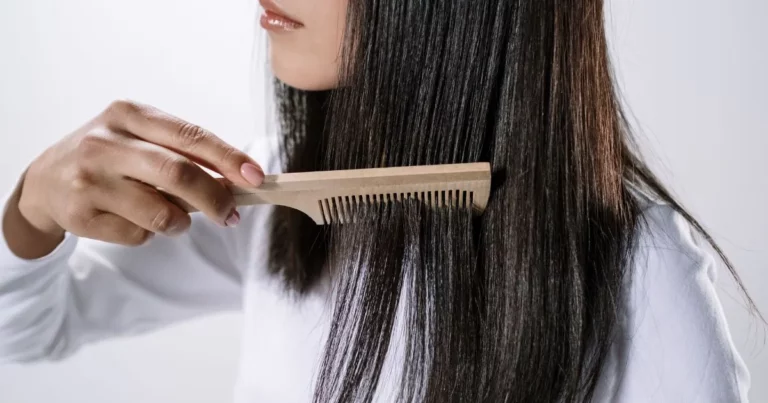
When was the last time you cleaned your hairbrush? Be honest. Hairbrushes collect old hair, dead skin, oil, and product residue. Every time you brush, you transfer that gunk back to your freshly washed hair.
Remove all the hair from your brush and wash it with a little shampoo and warm water once a week. It is a simple step, but it makes a difference.
Pillowcase Hygiene
You sweat during the night, and your pillowcase soaks up oils, dead skin cells, and product residue from your hair and face. Then, you lay your clean hair on it again, effectively transferring all that back.
Change your pillowcase every few days. It is a small change that helps your hair stay cleaner longer.
The Apple Cider Vinegar Rinse
This is a old-school remedy. Apple cider vinegar balances your scalp’s pH and acts as a natural clarifier. It often zaps odors. Just do not use too much concentrate.
Mix one part apple cider vinegar with three parts water. After shampooing, pour it over your hair and scalp. Let it sit for a few minutes, then rinse thoroughly. Do it once every few weeks. No, your hair will not smell like vinegar once it dries, thankfully.
Let us look at some ACV rinse benefits:
| Benefit | Description |
|---|---|
| Balances pH | Helps restore the scalp’s natural acidity. |
| Adds Shine | Smooths the hair cuticles, making hair shinier. |
| Reduces Buildup | Breaks down residue from products. |
Frequently Asked Questions
Can stress make my hair smell bad even after washing?
Yes, stress can indirectly cause hair odor. Stress impacts your hormone levels, which can lead to increased sebum production on your scalp, creating a more favorable environment for odor-causing bacteria.
How often should I use a clarifying shampoo?
You should use a clarifying shampoo about once a week or every two weeks. Using it too frequently can strip your hair of natural oils, possibly leading to dryness or even increased oil production as your scalp tries to compensate.
Is it normal for hair to have a slight smell even when clean?
Your hair can have a very faint, natural scent from your scalp’s oils, but it should not be unpleasant. If it is a distinct or persistent bad smell, something might be off with your washing routine or scalp health.
Does hard water affect hair smell?
Hard water contains minerals that can build up on your hair and scalp. This mineral buildup can trap odors and prevent shampoo from effectively cleaning your hair, possibly contributing to a persistent bad smell.